Head to head
Modern Heritage vs Classic Luxe
Indian craft detailing on a contemporary frame — jaali, cane, inlay and hand-finished brass, used sparingly. Against that: Proportioned panelling, cornice and moulding, book-matched stone and warm gilt detail on ivory. Eight rooms, both styles, side by side.
Room by room
Where these two diverge
Same brief, same room, two answers. Layout, core material and the one move that defines each.
Modular Kitchen
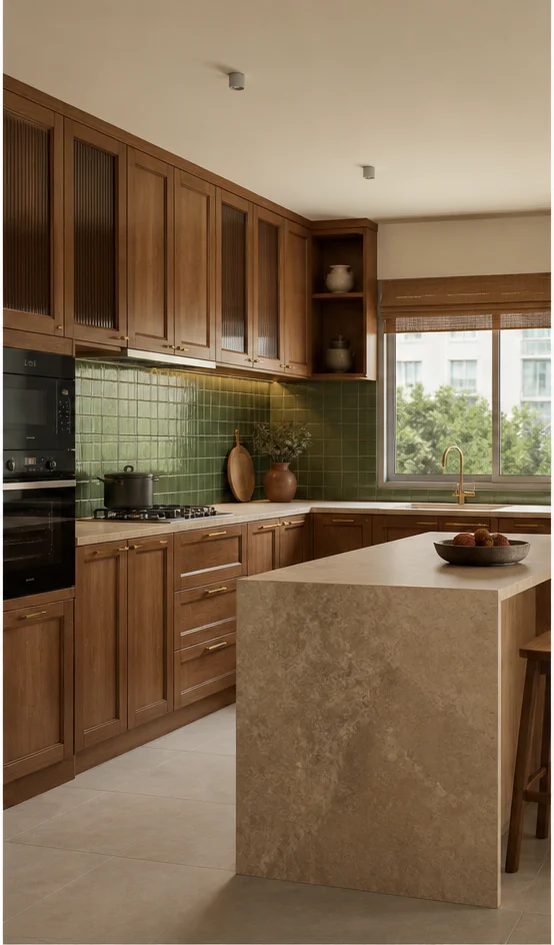
- Layout
- Parallel
- Core material
- Solid teak frame with ply infill
- Shutter finish
- Hand-rubbed teak veneer
What changes: Cane-fronted upper shutters that let the cabinetry breathe.
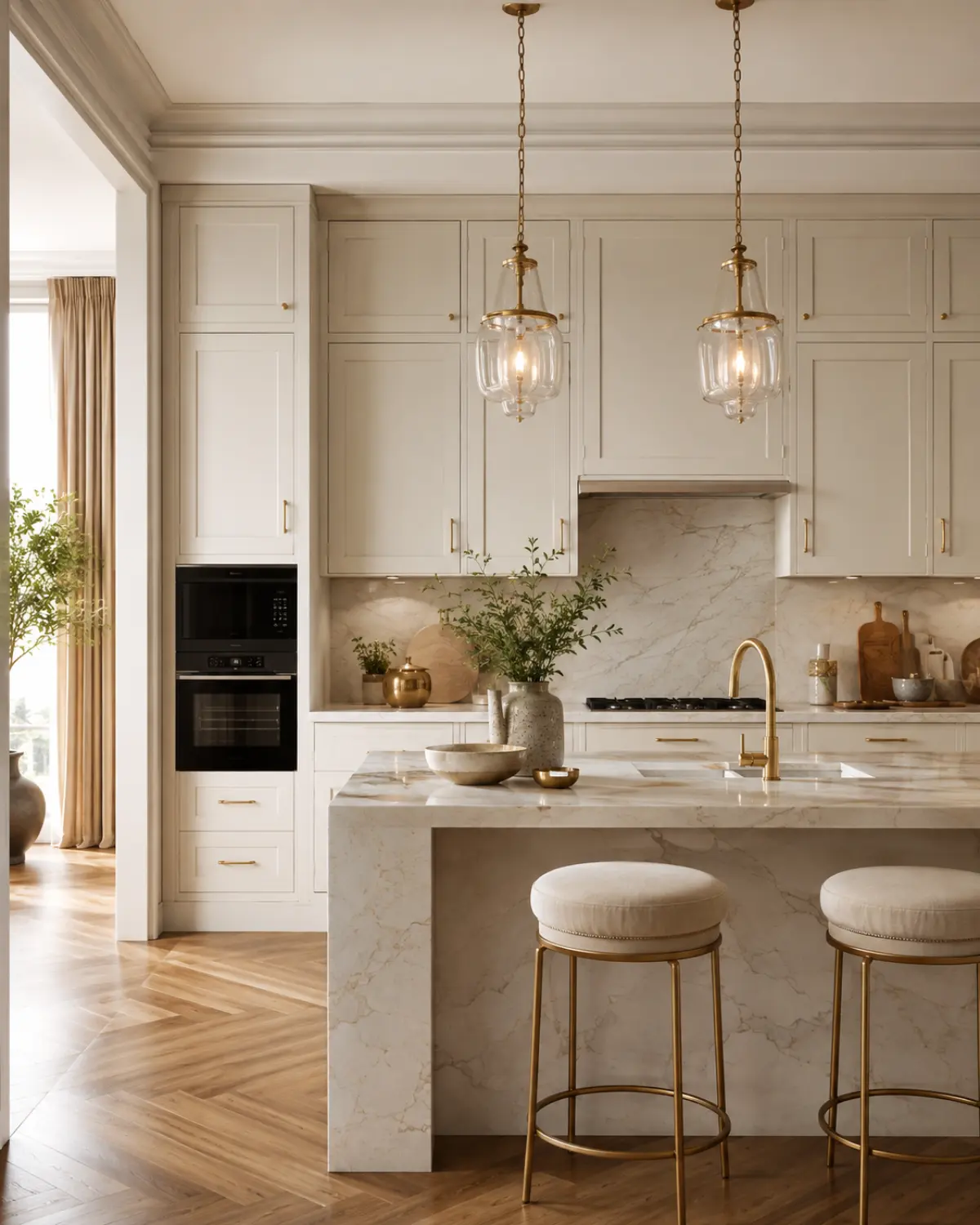
- Layout
- Peninsula
- Core material
- BWP ply with moulded panel
- Shutter finish
- Hand-painted PU with beading
What changes: Beaded shaker shutters with a moulded plinth.
Wardrobe
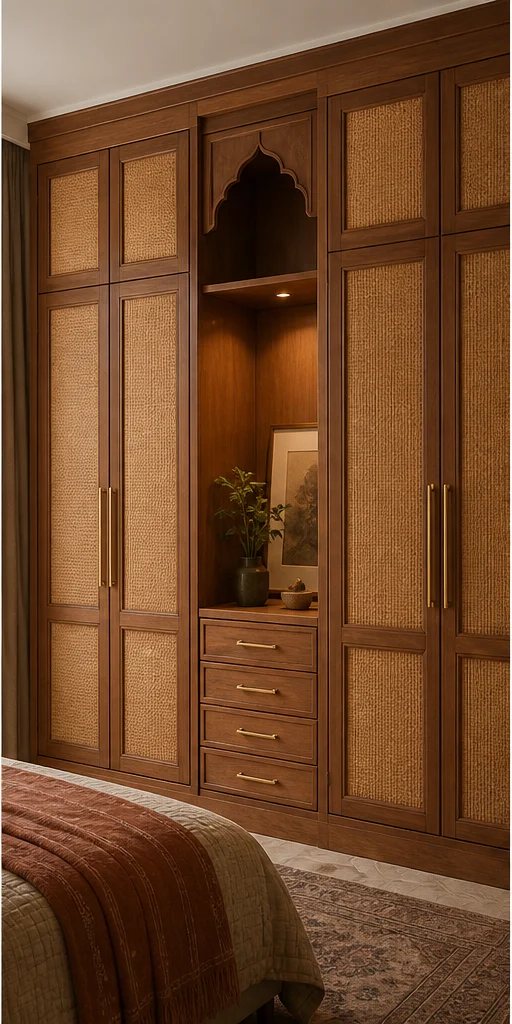
- Layout
- Walk-in with cane fronts
- Core material
- Solid teak frame, ply panels
- Shutter finish
- Teak veneer with cane inserts
What changes: Cane inserts that ventilate the carcass in humid months.
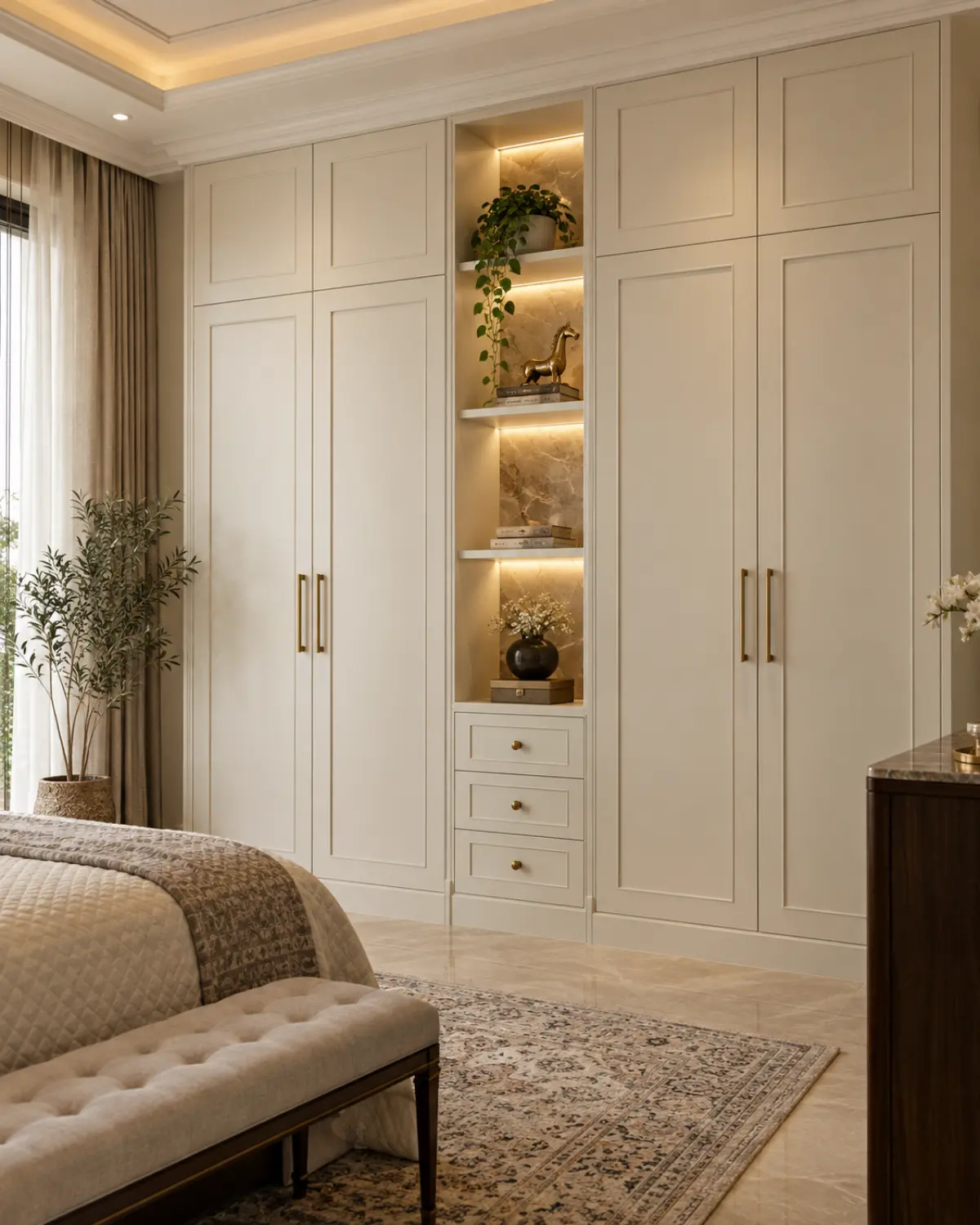
- Layout
- Mirror-front hinged
- Core material
- BWP ply with moulded fronts
- Shutter finish
- Ivory PU with gold beading
What changes: Moulded shaker fronts with a gilt bead.
Bathroom
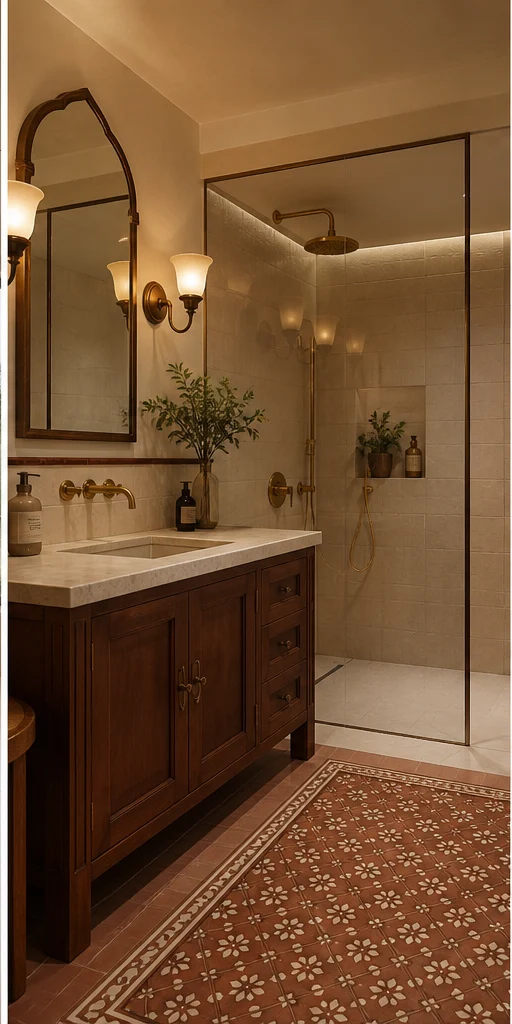
- Layout
- Twin vanity with jaali screen
- Floor
- Terracotta-tone stone with brass strip
- Wall
- Handmade ochre zellige
What changes: A carved jaali screen dividing the wet and dry zones.
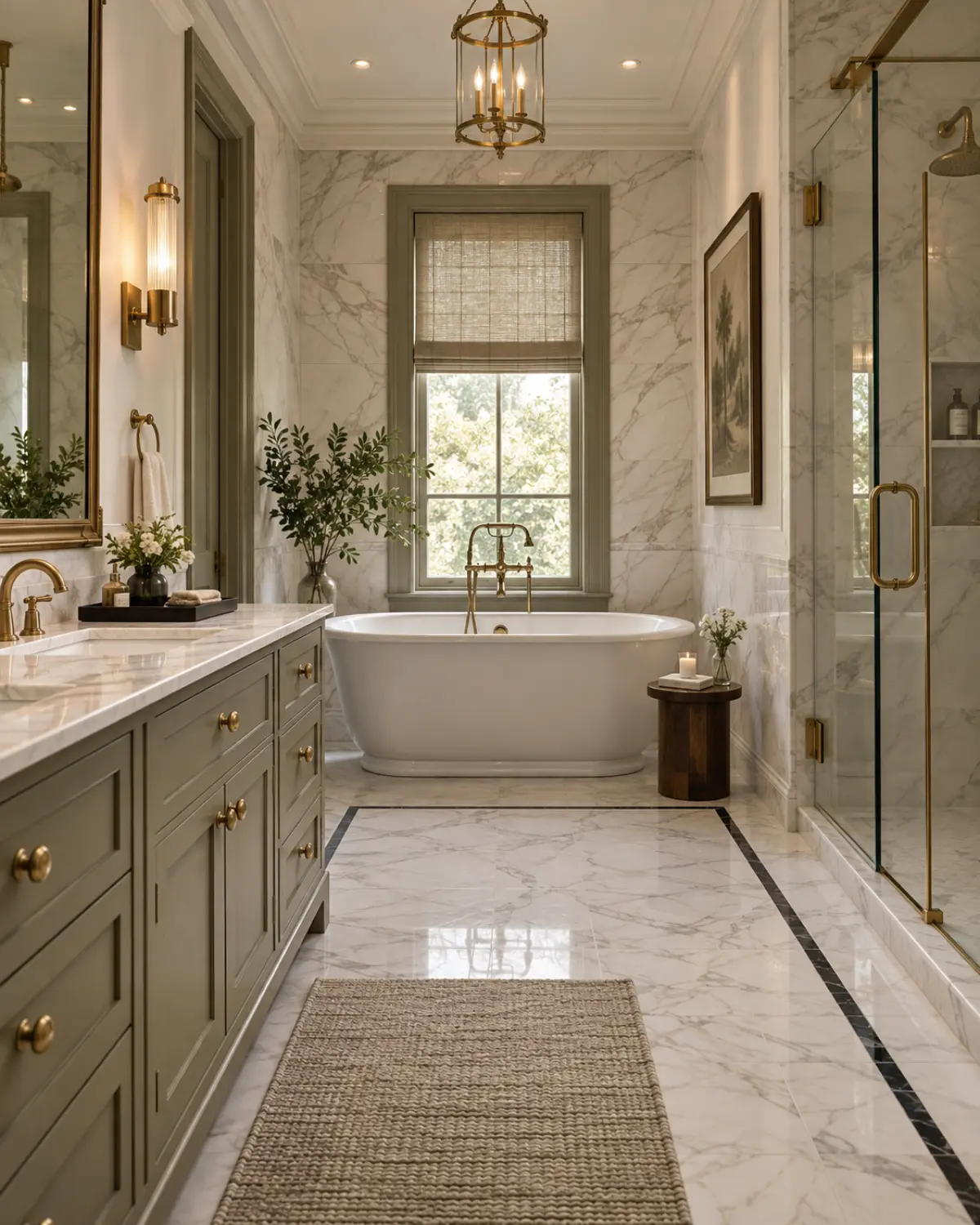
- Layout
- Tub and shower suite
- Floor
- Marble-look porcelain, book-matched
- Wall
- Statuario-look slab with gold vein
What changes: Book-matched stone behind a freestanding tub.
Living Room
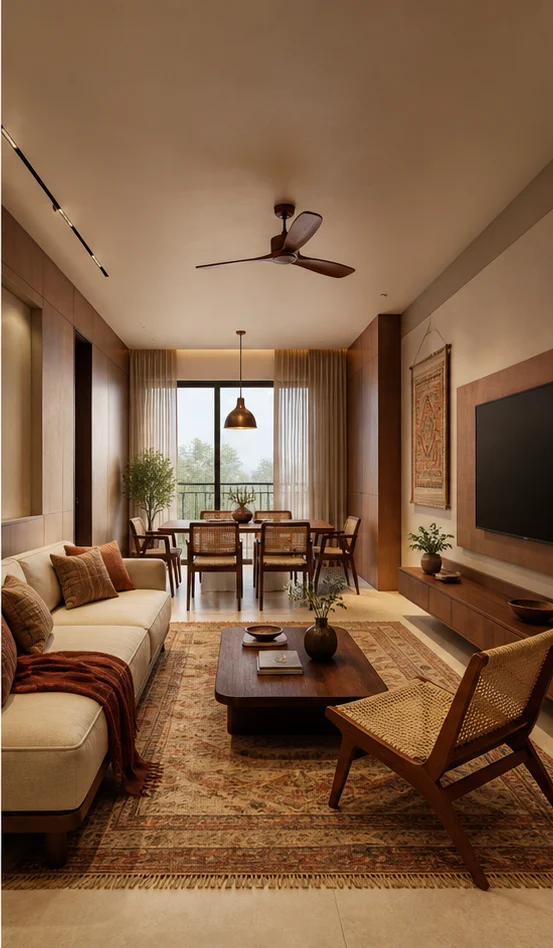
- Layout
- Living-dining combined
- Seating
- Teak-frame sofa with cane sides
- Feature wall
- Teak jaali with brass uplights
What changes: A teak jaali screen filtering light from the balcony.
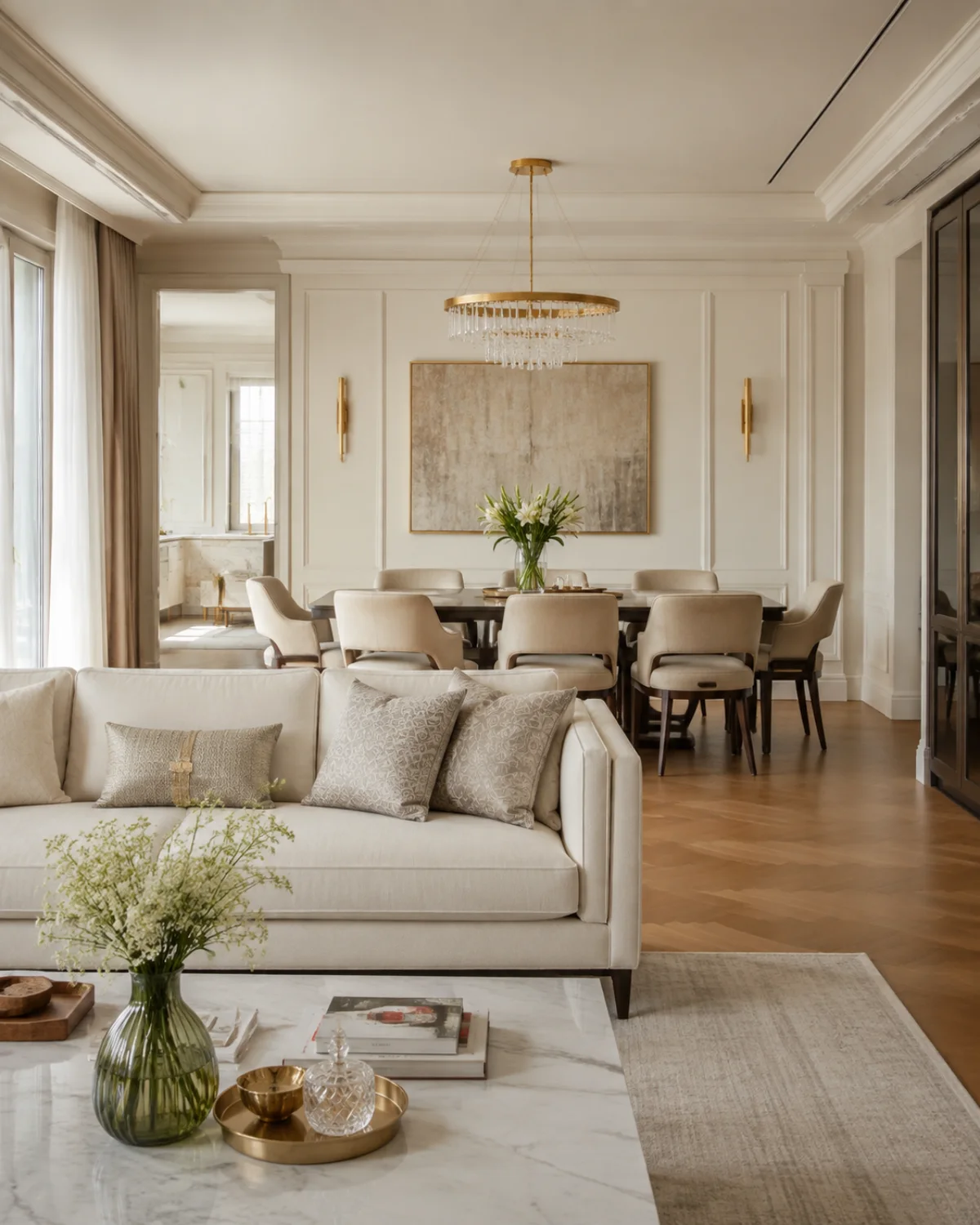
- Layout
- Formal drawing room
- Seating
- Ivory chesterfield with a gilt console
- Feature wall
- Book-matched marble with panelling
What changes: Book-matched stone behind the seating.
Pooja Room
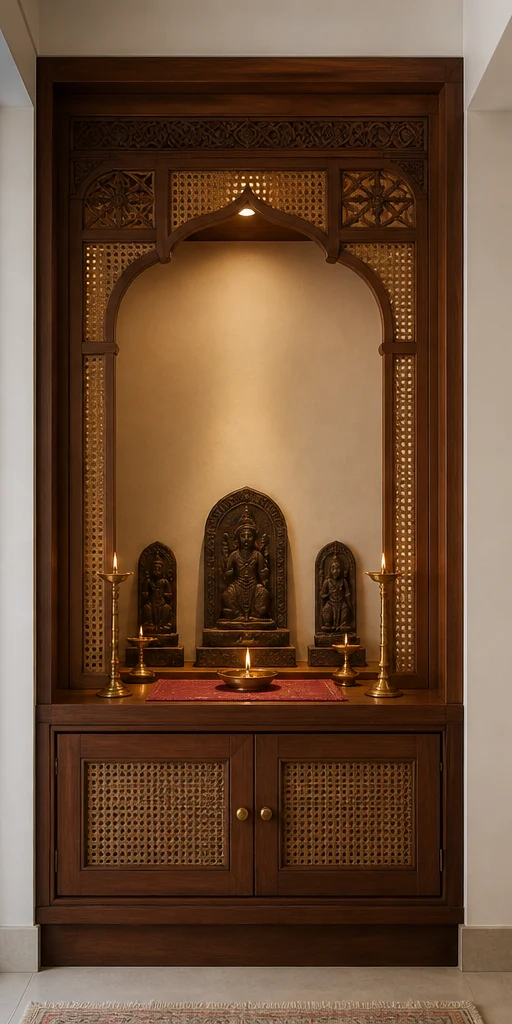
- Layout
- Carved teak temple
- Body material
- Solid teak, hand-carved
- Backdrop
- Carved teak jaali
What changes: Hand-carved teak columns and a temple-form crown.

- Layout
- Wall-mounted with marble base
- Body material
- White marble with a moulded base
- Backdrop
- Book-matched marble with gold inlay
What changes: A marble base with gold-inlay detailing.
Foyer
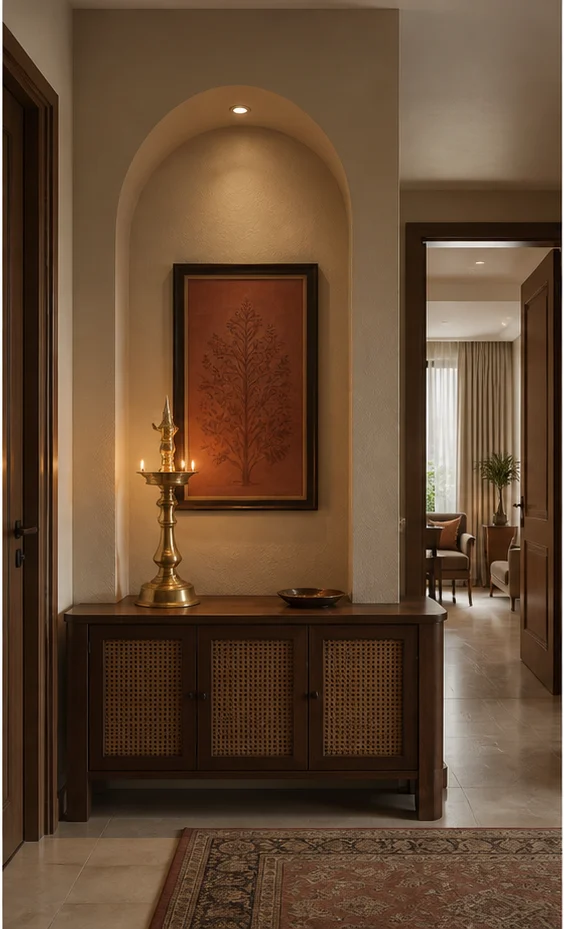
- Layout
- Teak jaali screen
- Feature
- Carved teak jaali screen
- Console
- Teak console with cane fronts
What changes: A carved teak jaali screening the living room beyond.

- Layout
- Panelled with a console and mirror
- Feature
- Ivory panelling with a gilt mirror
- Console
- Moulded console with a marble top
What changes: A symmetrical console-and-mirror composition.
False Ceiling
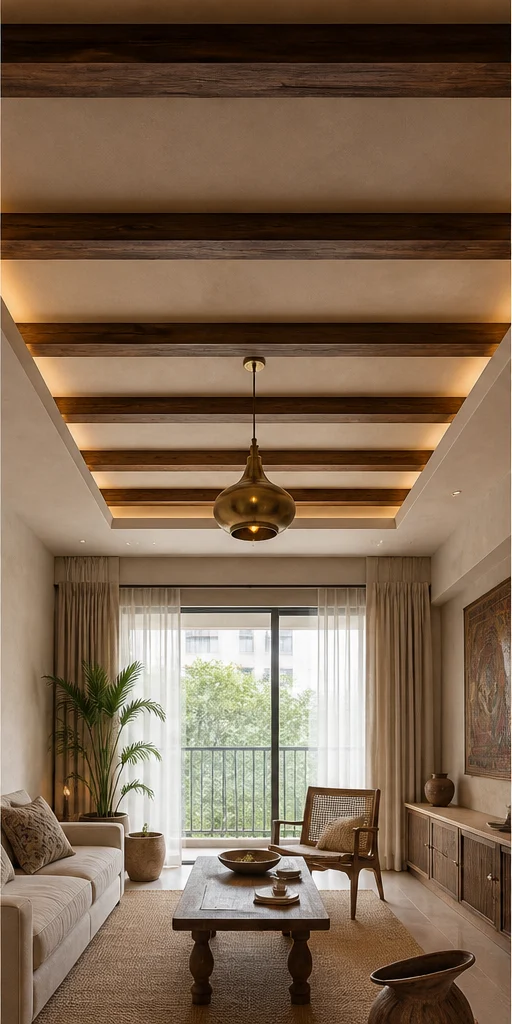
- Layout
- Beamed teak with a plain field
- Board
- Gypsum field with teak beams
- Drop
- 12″ between beams
What changes: Teak beams laid on a chalk field.

- Layout
- Coffered with cornice
- Board
- Gypsum with a moulded plaster cornice
- Drop
- 16″ coffer depth
What changes: A coffered grid with a moulded cornice.
Balcony
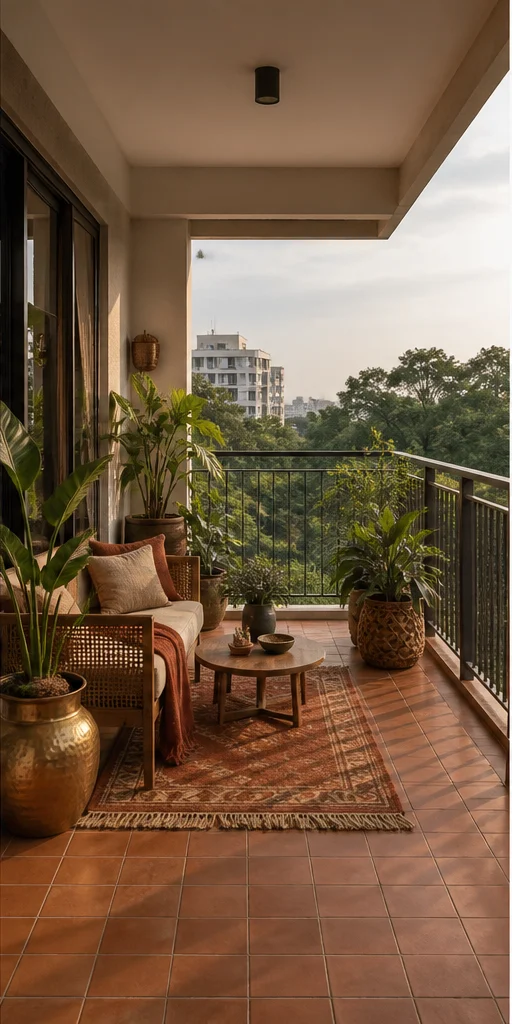
- Layout
- Teak deck with a jaali
- Floor
- Teak deck tiles on pedestals
- Screen
- Carved teak jaali
What changes: A carved teak jaali filtering the afternoon sun.
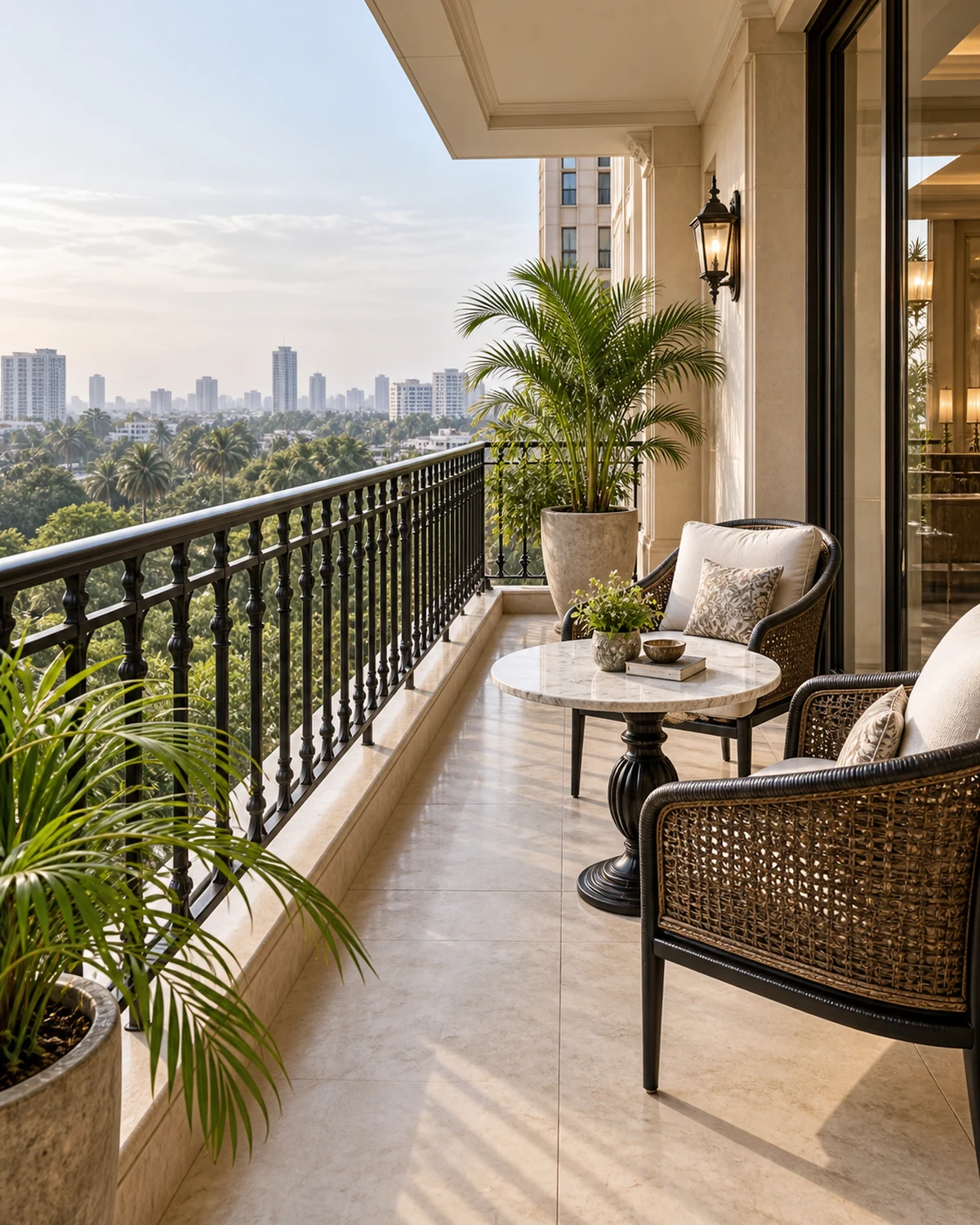
- Layout
- Formal with a stone floor
- Floor
- Stone with a brass drainage strip
- Screen
- Wrought railing with a stone coping
What changes: Stone flooring with a wrought railing.
At a glance
Layouts compared
| Room | Modern Heritage | Classic Luxe |
|---|---|---|
| Modular Kitchen | Parallel | Peninsula |
| Wardrobe | Walk-in with cane fronts | Mirror-front hinged |
| Bathroom | Twin vanity with jaali screen | Tub and shower suite |
| Living Room | Living-dining combined | Formal drawing room |
| Pooja Room | Carved teak temple | Wall-mounted with marble base |
| Foyer | Teak jaali screen | Panelled with a console and mirror |
| False Ceiling | Beamed teak with a plain field | Coffered with cornice |
| Balcony | Teak deck with a jaali | Formal with a stone floor |
Choosing between them
Heritage or Classic?
Both are coherent, considered palettes rather than opposites — the honest way to choose between Modern Heritage and Classic Luxe is against what is already fixed in the home (flooring, window frames, structural openings) rather than against a mood board. Modern Heritage tends to suit a household that wants the room to feel settled from day one; Classic Luxe tends to suit one that is comfortable with a stronger first impression and does not mind the maintenance that a bolder material palette usually asks for.
If you have seen both in photographs and still cannot choose, that is often a sign the room itself has not been considered yet — bring the floor plan in, and the room’s own constraints usually narrow the choice faster than more photographs would.
Questions
Heritage vs Classic
Can a home mix Modern Heritage and Classic Luxe?
Within reason, room to room rather than within one sightline — a modern heritage living room and a classic luxe study, for instance, read as a considered choice rather than an inconsistency, provided the transition happens at a doorway or a material change.
Which is easier to live with day to day?
Modern Heritage generally asks less of daily upkeep; Classic Luxe rewards more regular attention in exchange for a stronger character. Neither is objectively easier — it depends on how much time the household spends maintaining a finish versus how much impact it wants from it.
Which costs more to build, Modern Heritage or Classic Luxe?
Neither by default — cost follows finish grade and hardware rating, not the palette. A modern heritage scheme in a premium finish and a classic luxe scheme in a mid-tier finish can land at very different totals despite the style comparison suggesting otherwise.
Which resells or ages better?
Both age well when specified properly; what differs is how visible ageing is. Modern Heritage tends to show wear as a softening rather than a flaw; Classic Luxe can look tired if a bold material is not maintained, but looks considered again the moment it is.
Room by room
Where Heritage or Classic tends to win
| Room | Which tends to work better |
|---|---|
| Modular Kitchen | close call — depends on the room's existing daylight and dimensions |
| Wardrobe | close call — depends on the room's existing daylight and dimensions |
| Bathroom | Heritage for daily use, Classic for occasional or formal use |
| Living Room | Classic reads better here for most households |
| Pooja Room | Heritage reads better here for most households |
| Foyer | Classic reads better here for most households |
| False Ceiling | Heritage reads better here for most households |
| Balcony | Heritage for daily use, Classic for occasional or formal use |
These are starting leans, not rules — the room’s own daylight, ceiling height and what is already fixed (flooring, existing joinery, a view worth keeping open) can flip any one of them. Treat the table as where to start looking rather than where to stop.
Materials and upkeep
What actually differs day to day
Where Modern Heritage asks for consistency across a run — matched grain, a single sheen, an even colour — Classic Luxe tolerates and often benefits from more variation piece to piece. That changes how forgiving each style is of a supply substitution mid-project.
Maintenance is the more honest way to decide than photographs. Modern Heritage generally wears quietly and shows wear gradually; Classic Luxe rewards more regular attention and shows neglect more visibly when it is not given that attention.
Lighting is worth deciding alongside the palette rather than after it. Modern Heritage generally reads best under a warmer, more even light; Classic Luxe often wants a layered scheme with a stronger accent to do justice to its bolder material moves.
Compare other styles
Other head-to-heads
Six-way comparisons
Next step
Torn between these two?
Bring the floor plan. We will draw your actual room in both and put them next to each other.