Delhi NCR
Interior Designers in Delhi
Wide seasonal swing from dry heat to cold, which moves solid timber. Dust ingress makes sealed joinery and casement windows worth the extra cost.

Designing in Delhi
What shapes a Delhi interior
Wide seasonal swing from dry heat to cold, which moves solid timber. Dust ingress makes sealed joinery and casement windows worth the extra cost. We design to the same specification standard everywhere — the difference between cities is the substrate, the hardware finish and the ventilation strategy, not the quality of the drawing.
Services
Popular scopes in Delhi


Design ideas
Designs for Delhi homes
Modular Kitchen Designs
View designs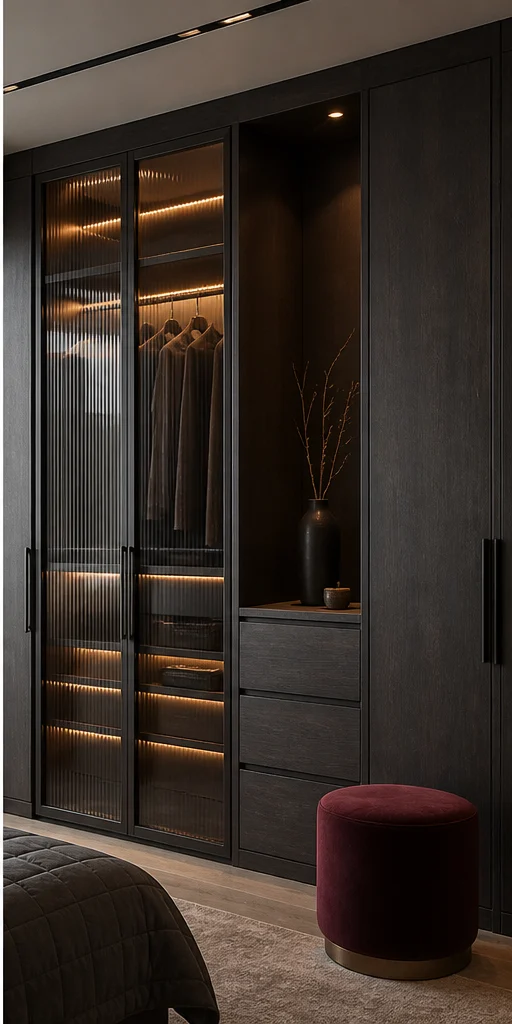
Wardrobe Designs
View designs
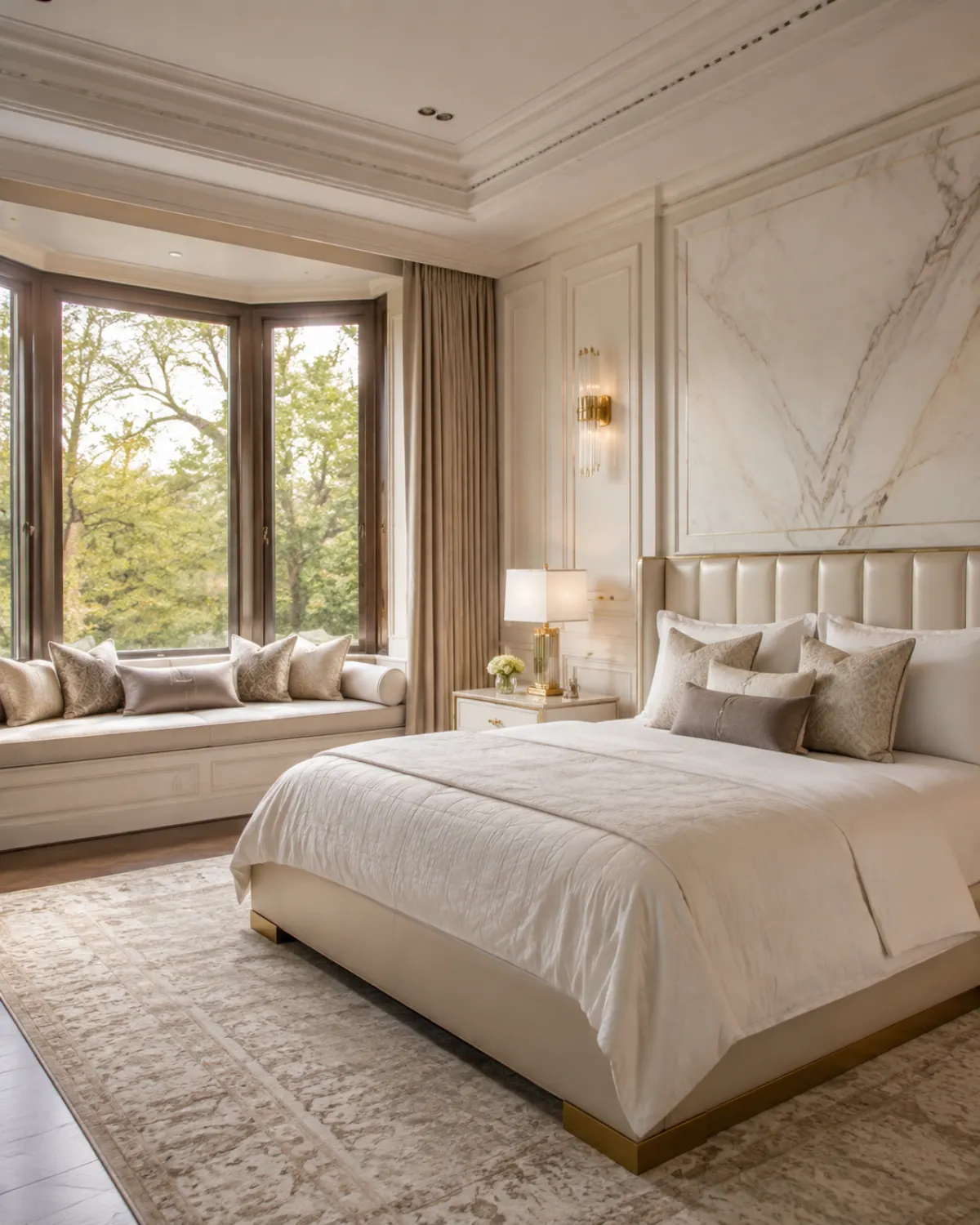
Master Bedroom Designs
View designs
Living Room Designs
View designs
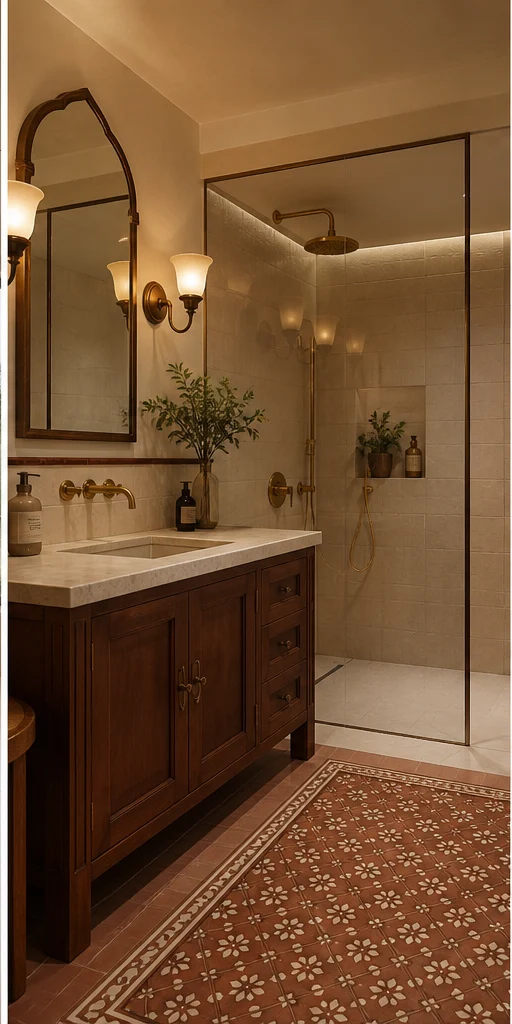
Bathroom Designs
View designs
False Ceiling Designs
View designs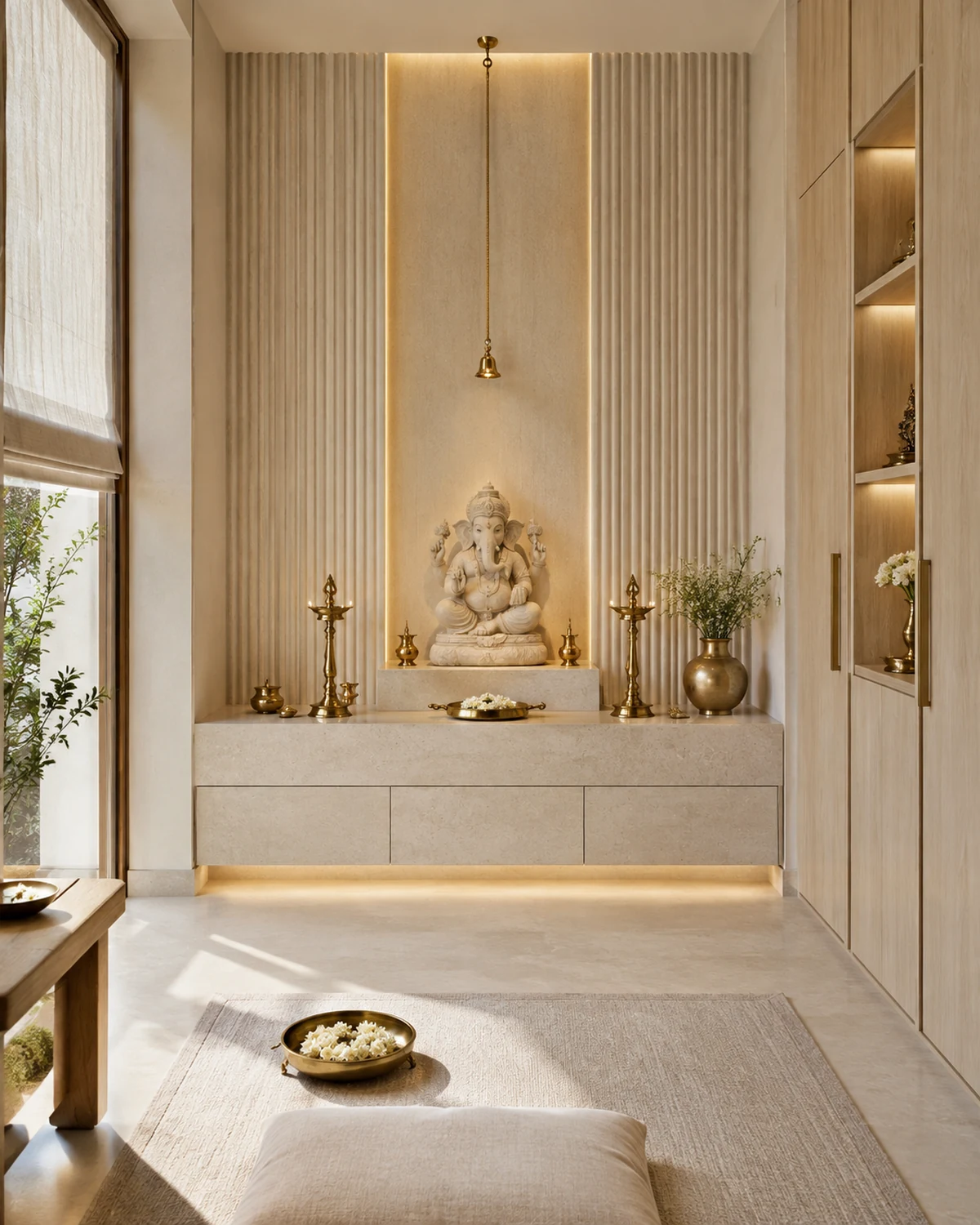
Pooja Room Designs
View designs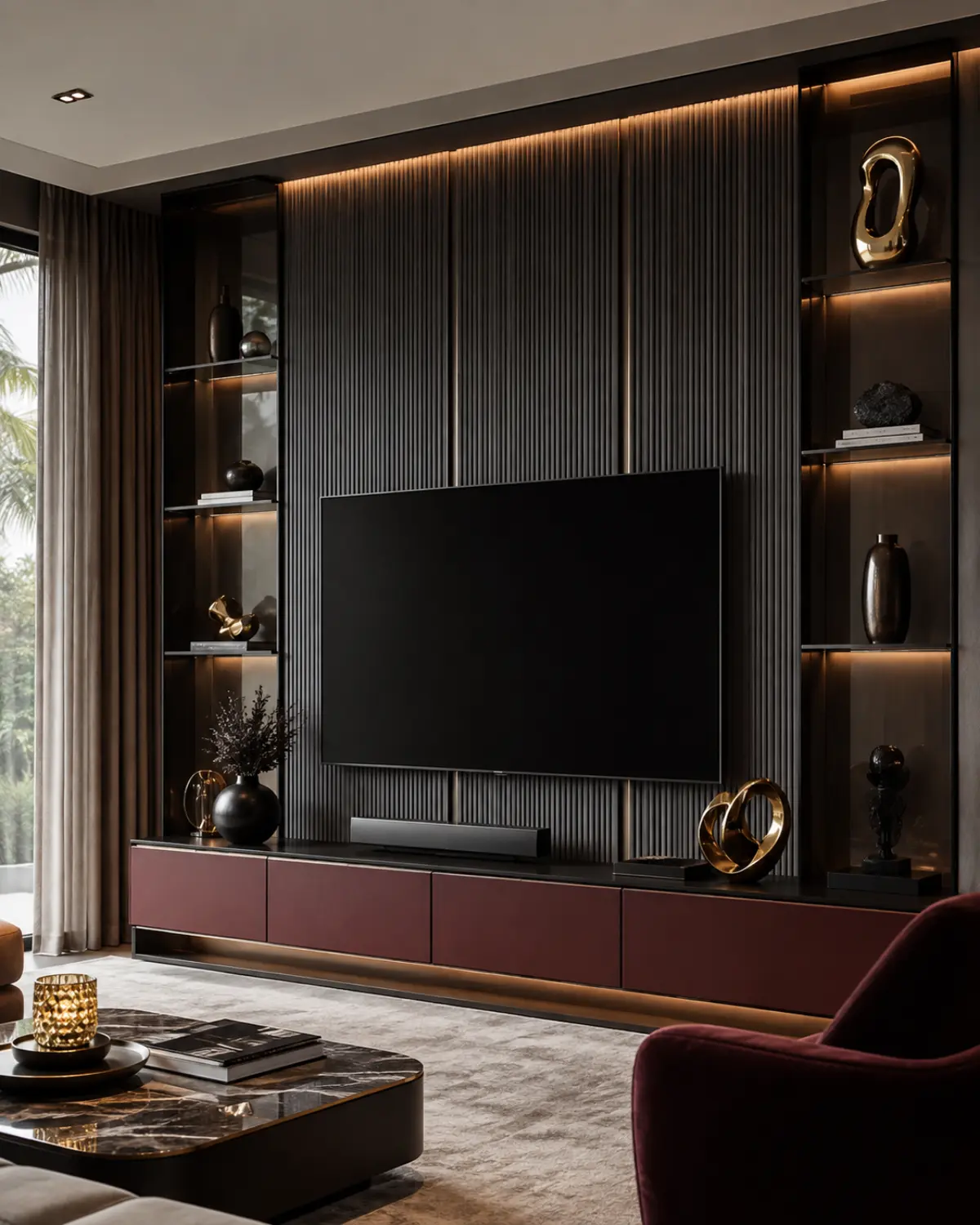
TV Unit Designs
View designsDelhi
What shapes the brief here
Wide seasonal swing from dry heat to cold, which moves solid timber. Dust ingress makes sealed joinery and casement windows worth the extra cost.
That is the starting condition, not the whole brief. Delhi splits into two quite different kinds of housing stock, and Delhi projects are specified differently for each. New apartment towers hand over as bare shells with regular layouts and compact utility areas, which suits modular planning directly against the builder’s grid. Older independent homes have taller ceilings, thicker walls and almost no two rooms the same size, which means every plan starts with a measured survey rather than the sale drawing.
Working here also means working around a small set of practical constraints that do not show up in a portfolio photograph. Most apartment societies restrict working hours, require a service-lift booking and hold a debris deposit — none of which is unusual, but a programme that ignores it slips in its first week. We build the access rules into the schedule before the first delivery is planned.
Material choice follows the climate more than it follows taste. Humidity, dust, water hardness and seasonal temperature swings each push toward a different substrate, hardware grade and finish, and getting that wrong is the most common reason a beautiful interior looks tired within two years. The specification on every design page adapts accordingly once we know the building.
Neighbourhoods we work in regularly include Vasant Kunj, Dwarka, Rohini, Greater Kailash, Saket and Pitampura — across both the high-rise stock and older independent homes.
Most Delhi enquiries fall into one of three shapes: a single room in an existing home, a full-home fit-out for a newly possessed apartment, or a renovation of an older independent house that needs both civil and modular work. All three are ordinary scopes here, priced and programmed on the same line-by-line basis.
Every Delhi project starts with our own measured survey rather than the builder’s drawing, regardless of scope — that single step is what prevents most of the rework we get called in to fix on other studios’ projects.
Why us
Working with us in Delhi
We survey every Delhi project ourselves rather than working from the builder's PDF — sale drawings and built reality differ often enough that a plan drawn against one and not the other is the single most expensive mistake in a fit-out.
Design, manufacture and site execution sit under one studio, so the person who specifies a detail is accountable for how it is installed. There is no handoff between a designer who draws and a contractor who interprets.
Every carcass is cut to a tolerance and edge-banded on all four sides before it reaches site, which matters more in a humid or dusty city than the finish on top of it does.
The estimate is priced line by line against a material schedule, not a square-foot rate, so a change to one room's specification has a visible, isolated cost rather than moving the whole number.
Questions
Delhi — answered
Do you have a design team local to Delhi, or is this managed remotely?
Design and manufacture are centralised, and site execution is managed by a project manager who works within Delhi on a defined visit schedule. That split is what lets us hold one specification standard everywhere rather than a different one per branch office.
How does the Delhi climate change what you specify?
It changes the substrate grade, the hardware finish and the ventilation detail behind joinery — not the design. Every material family on this site lists what we specify for humid, dry-heat and dust-heavy cities; Delhi's own conditions are factored in at the survey stage.
Can you work within my society's rules in Delhi?
Yes — working hours, service-lift booking, debris deposits and contractor registration are standard requirements across Delhi societies and are built into the programme before a delivery date is set, not discovered on the day.
What is the typical timeline for a project in Delhi?
Two to four weeks of design depending on scope, then production and site work from sign-off — 45 days for a standard 2 BHK, 55 to 75 days for a larger scope. Civil work, stone or bespoke furniture extend it; we say so at the estimate stage, not partway through.
Do you handle both apartments and independent houses in Delhi?
Yes — the specification approach differs (regular grid versus a measured, room-by-room survey) but both are ordinary scopes here. Independent houses more often carry civil work alongside the modular scope, which is priced and programmed as one project rather than two.
How is quality checked on a Delhi site?
Against the approved drawing and material schedule, by the project manager on their visit schedule, with photographs logged at each milestone — not left to a single inspection at handover.
Is Delhi covered directly, or through a partner?
Directly. Design and manufacture are centralised and site execution is managed by our own project management, on the same specification standard as every other city we work in — nothing here is subcontracted to a local franchise.
By service
What we specify differently in Delhi
Modular Kitchen
Adjust hinges once at the end of the first year — every kitchen settles and doors go out of line together.
Specify hardware by brand and model in the quote. Runners and hinges are the parts that fail first and cost most to change later.
Wardrobe
Tighten hinge screws at the end of the first year.
Insist on soft-close on every drawer and door. It is the difference between joinery that stays aligned and joinery that loosens.
Bathroom
Renew silicone at the floor–wall junction every two to three years; it is a consumable, not a permanent seal.
Waterproofing is the entire specification. Everything else is finish, and no finish survives a failed membrane.
Master Bedroom
Service the joinery once a year — hinge adjustment, runner cleaning, silicone check.
Identify the one focal wall and commit to it. Rooms with three feature walls read as noise.
Living Room
Rotate soft furnishings and rugs to even out sun exposure.
Decide the storage requirement in litres, not in cabinets. Households consistently underestimate this and then add furniture that ruins the plan.
Full Home Interiors
Photograph the concealed services before they are covered.
Establish who is on site daily and who you call when something is wrong. A named project manager is worth more than a large studio.
Explore more
Next step
Designing a home in Delhi?
Send the floor plan and what you want it to do. We come back with a layout, a material direction and a line-by-line estimate.