Magazine
Home Decor
The changeable layer, and how to use it well.

Articles
Home Decor stories
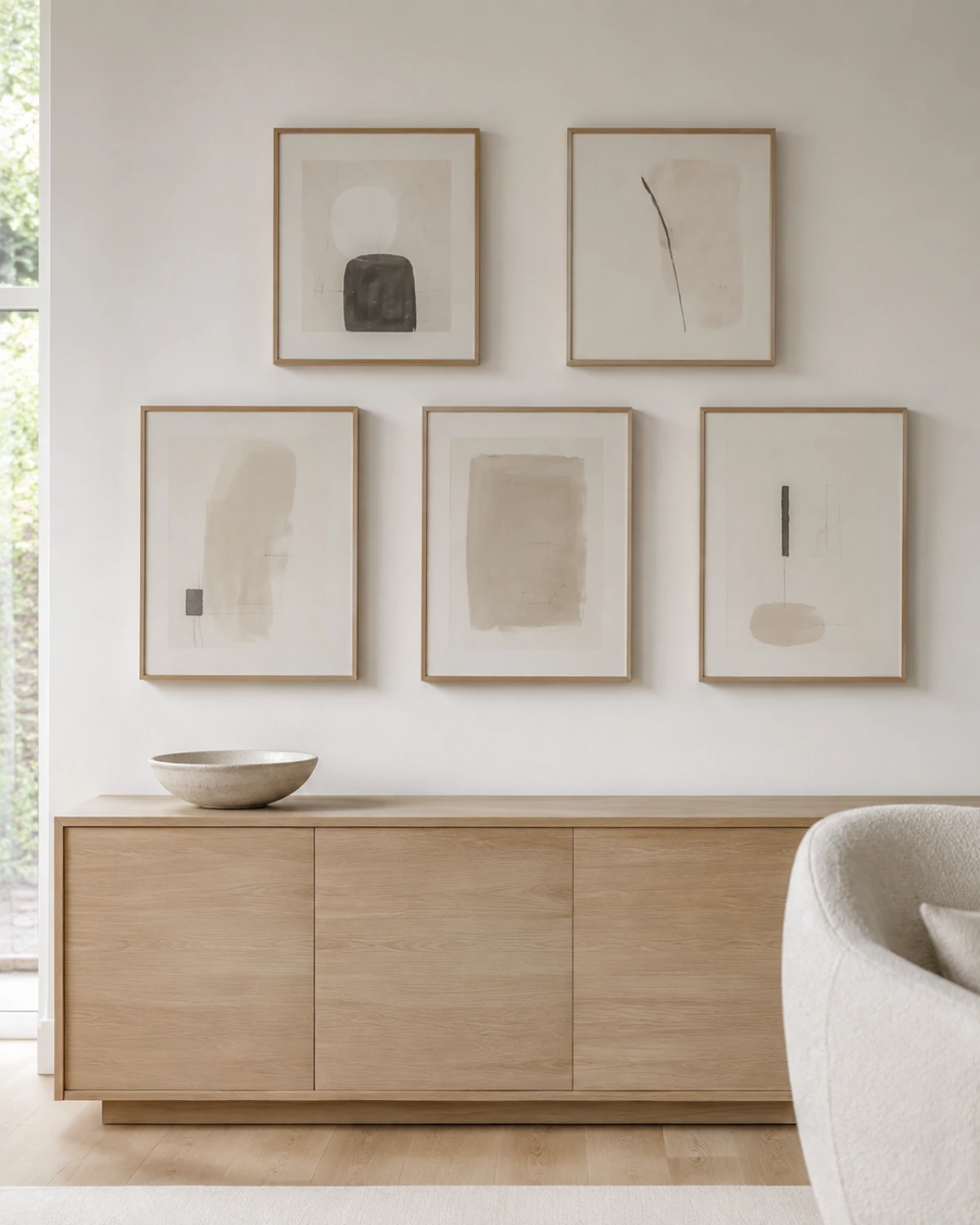
How to Style a Console So It Does Not Look Staged
Three objects, three heights, one job.
Read
Indoor Plants That Actually Survive Indian Apartments
Light, water and honesty about how much attention you will give them.
Read
Rug Sizing, Settled
The single most commonly undersized purchase in an Indian living room.
Read
Open Shelves That Do Not Look Cluttered
Open storage is the hardest kind to keep looking good, and the rules are simple.
ReadAbout this section
Reading Home Decor well
Home Decor sits alongside the design categories and the home-size pages on this site rather than apart from them — an idea that holds up here usually has a matching category page with the full specification, and a matching size page with the dimension it has to fit.
We keep this section separate from the design categories on purpose. The categories answer ‘what do we build’; home decor answers ‘why’, which is a different question and deserves its own space rather than being folded into a specification table.
Home Decor is one of the areas where the gap between a published image and a buildable plan is widest. The articles below try to close that gap by naming the decision behind each idea — what it costs, what it depends on, and what has to be true about your room before it applies.
Every article links back into the design categories and home-size pages on this site, so once an idea is worth pursuing you can see it specified against your own room size rather than a generic one.
If you read only one article in this section, read the first one below — it is the one we return to most often in early conversations, and the rest build on the decisions it lays out.
The changeable layer, and how to use it well. That is a design problem before it is a styling one: the layout, the services and the storage volume decide what is possible, and the finish is the last five per cent of the decision rather than the first.
Who it's for
Who home decor is written for
None of this is theoretical. Every article is drawn from decisions we have actually made on a project, including the ones that turned out to be wrong the first time — those are usually the most specific articles in the section.
If you are early enough that you do not yet have a floor plan, the useful thing to take from this section is the shape of the decisions rather than the specifics — what to ask a designer or a contractor, and roughly when in the project each question needs an answer.
There is no signup and no gate on any of this — every article is here to be used whether or not a project ever gets booked through us. If it saves you from one expensive mistake, it has done its job.
We would rather an article talked you out of something than let a mood board carry you into a room that will not work. That is the test each one is written against, more than whether it reads well.
Questions
Home Decor — answered
Where should I start with home decor?
With the floor plan and how the room is actually used — ideas are easy to collect and only become useful once they meet real dimensions and a real routine. Start with the first article below.
How much of this applies to a smaller home?
The proportion transfers; the count usually has to drop. One considered element in a small room reads better than several scaled-down ones, which is a recurring theme across this section.
Do these ideas suit Indian conditions specifically?
Where they do not, we say so directly. Humidity, dust, hard water and daily cooking defeat a fair amount of what circulates as inspiration, and the articles here are written around what actually holds up.
Can I get this applied to my own home?
Yes — bring the floor plan to a consultation and we will tell you which of these ideas suit your room, your budget and your building, and which do not.
Is this section relevant if I am working with my own contractor?
Yes — most of what is covered is a decision to raise with whoever is executing the work, not something that requires us specifically. Where it does matter who specifies it, the article says so.
How often is this section updated?
When a project teaches us something that changes the advice, not on a fixed schedule. An article reflects what we would tell a client today, which is also why some are more recent than others.
Do the articles assume a particular budget?
No — the decisions covered apply at every budget tier; only the specific material or product named as an example would change. Read for the decision, substitute your own material grade.
How does this section relate to the design categories elsewhere on the site?
This section covers the thinking; the design categories carry the buildable specification — layout, material, sizing and cost — for the room itself. Most articles link directly into the relevant category once an idea is worth pursuing.
Are these articles specific to one city, or general across India?
General across India, with city-specific adjustments — humidity, water hardness, dust and seasonal temperature swings — called out where they change the advice. The city pages elsewhere on this site carry the local specification in full.
Can I ask about something from this section during a consultation?
Yes — that is what a consultation is for. Bring the specific question and the floor plan, and we will give you the answer for your room rather than the general one written here.
How do I stop clothes smelling damp?
Ventilate. A 3/8″ rear gap, plinth vents and doors left open for an hour a month through the monsoon will do more than any product.
Can a wardrobe be built around an existing bed layout?
Yes — the wardrobe follows the room. What has to be checked first is the door swing, the fan sweep and the switchboard positions, which are the three things that force redesign late.
What internal accessories are actually worth it?
Soft-close drawers, a pull-down rail where the run is above 2.1m, and sensor lighting. Most other accessories look useful in a showroom and are used twice at home.
Where this connects
Design categories home decor touches most
Wardrobe
Plan the mirror position with the room's light, not the wardrobe elevation. A mirror facing a window is a glare source, not a dressing mirror.
Sensor lighting on the hanging rail is the single upgrade people notice daily.
Master Bedroom
Set the electrical and lighting layout against the furniture plan before any ceiling work begins.
A room needs one generous gesture — a long sofa, a full-height joinery run, a single large artwork — and then quiet around it.
Living Room
Start from how the room is actually used at 8pm on a weekday, not from a mood board. Every good plan is a use plan first.
Shadow gaps at skirting and ceiling let a room read as planes rather than as boxes, and they hide the tolerances of an Indian building.
Bathroom
Check the water pressure before selecting a shower. A rain head at 0.8 bar is a disappointment that costs money to discover.
A wall-hung vanity and WC make the floor read continuous and make cleaning genuinely easier. It costs a frame and is worth it.
Further reading
More of the magazine
Home Decor is one of fourteen sections in the magazine, each covering a different stage or angle of a project. If this section answered the question you came with, the others are worth a look before you start designing rather than partway through — most of what causes a project to need revisiting was knowable earlier.
Keep reading
More sections
Also in the magazine
Home sizes
Next step
Planning a project?
Reading is a good start. A floor plan and a conversation gets you a lot further.