Interior guide
Luxury Home Interior Designer in Bellandur
A practical, general guide to luxury home interior designer in bellandur covering layout, materials, storage, lighting and execution for homes in Bellandur.
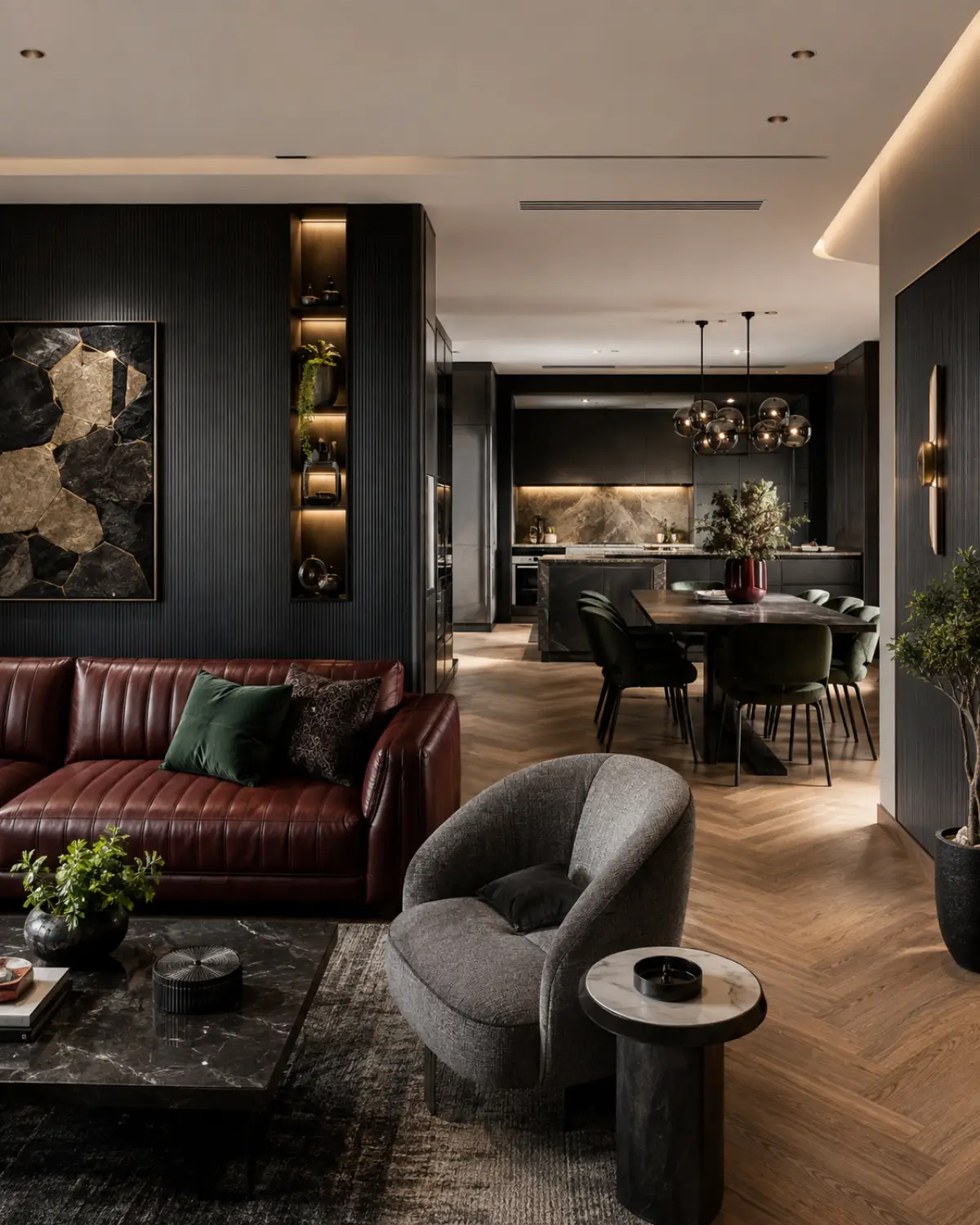
Overview
Luxury Home Interior Designer in Bellandur, in plain specification
Written as a homeowner's planning guide, not a catalogue page.
Luxury Home Interior Designer in Bellandur is a useful search phrase when you want a home that feels composed, practical and personal without turning the project into a showroom exercise. The best interior decisions begin with the way a household actually lives: morning movement, cooking habits, storage pressure, work routines, guests, children, pets, light, privacy and maintenance. A good page for this keyword should therefore speak about planning, material choices and execution discipline rather than making noisy promises.
In Bellandur, homes often need a careful balance of calm finishes and hardworking details. Apartments, villas and compact city homes each ask for a different response, but the underlying method stays steady. Measure the room, understand the daily route through it, place storage where it reduces friction, and choose finishes that age gracefully. The result should look refined on day one and still feel easy to live with after the initial excitement has passed.
Priorities
What matters in luxury home interior designer
Three decisions shape the whole result before the decorative layer begins.
Layout
Start with movement, daylight, doors and daily routines before choosing finishes.
Read notesMaterials
Balance expressive surfaces with dependable substrates and easy upkeep.
Read notesExecution
Use clear drawings, site checks and schedules so the idea survives construction.
Read notesGuide
Planning the home around real routines
Practical notes for planning, specifying and executing the space.
For luxury home interior designer, space planning is the quiet foundation. The layout has to respect doors, windows, columns, balconies, service shafts and the way people gather. A kitchen should allow smooth preparation, cooking and cleaning. A living room should support conversation without blocking circulation. A bedroom should make wardrobes feel generous without crowding the bed. When the planning is right, the home feels larger, calmer and more intuitive even before decorative layers are added.
Good planning also prevents costly changes during execution. Before finalising any design, it helps to map appliances, switches, plumbing points, storage categories, cleaning access and future flexibility. This is not glamorous work, but it protects the budget and keeps the finished space from becoming awkward. The most successful homes usually come from patient decisions made early, when drawings are still easy to revise.
In a location like Bellandur, the relationship between inside and outside also matters. Dust, traffic sound, afternoon heat, tree cover, neighbouring balconies and lift access can all influence material and layout choices. A balcony facing a busy road may need a different fabric strategy from one facing a garden. A kitchen that receives strong sun may need finish choices that stay stable. The local context should shape the design without making the home feel overcomplicated.
Guide
Materials, finishes and daily upkeep
Practical notes for planning, specifying and executing the space.
Materials should be selected for touch, durability and repairability as much as appearance. Cabinet shutters, carcass boards, stone counters, flooring, wall finishes, hardware and lighting all age at different rates. A balanced specification pairs expressive surfaces with dependable substrates, so the visible design does not depend on fragile choices. Matte laminates, veneers, fluted glass, textured paint, engineered stone, tiles and metal accents can all work beautifully when used with restraint.
The strongest palettes usually contain contrast rather than a single repeated colour. Warm wood against pale walls, stone beside soft fabric, brass beside charcoal, or a quiet cabinet finish against a lively backsplash can make a room feel layered. The goal is not to fill every surface with detail. It is to give the eye enough rhythm to move through the home while leaving enough blankness for everyday life.
For luxury home interior designer, maintenance should be discussed before purchase orders are placed. Some finishes look wonderful in photographs but show fingerprints, water marks or scratches quickly. Others are forgiving but can feel flat unless paired with better lighting and hardware. A practical specification names the tradeoff clearly so the final decision suits the household rather than a trend.
Reference
Luxury Home Interior Designer in Bellandur material and storage reference
A visual pause to keep the long-form guide aligned with the rest of the site.

Specification
Luxury Home Interior Designer specification checklist
Use this as a calm review before approving the final design.
| Decision | What to check |
|---|---|
| Planning focus | Make luxury home interior designer feel natural for daily movement, storage and cleaning. |
| Local context | Account for light, dust, access, ventilation and apartment rules in Bellandur. |
| Material logic | Choose finishes for touch, durability and repairability, not only appearance. |
| Execution control | Lock drawings, services, hardware and finish schedules before site work accelerates. |
Guide
Storage that supports the way the home works
Practical notes for planning, specifying and executing the space.
Storage is where many interiors succeed or fail. A beautiful room can still feel unfinished if shoes, bags, cleaning tools, small appliances and seasonal items have no assigned place. The best storage is not simply more cabinetry. It is cabinetry shaped around real categories: daily use, occasional use, display, backup stock, documents, linen, utilities and items that should stay hidden. This kind of thinking makes the home easier to reset at the end of the day.
Modular systems work well when they are planned with exact internal logic. Tall units, drawers, lofts, pull outs, open shelves and appliance bays each solve a different problem. Overusing any one of them makes the design less comfortable. Drawers are excellent for access, lofts are useful for rarely used items, open shelves need discipline, and tall units must be placed where they do not visually narrow the room.
In Bellandur, many homes serve mixed roles during the week. A dining table may become a work surface, a guest room may become a study, and an entry passage may need to absorb deliveries and bags. Storage planned for these real overlaps keeps the home looking composed without forcing the family into unrealistic habits.
Guide
Execution details that protect the design
Practical notes for planning, specifying and executing the space.
Execution quality depends on drawings, site checks and sequencing. Even a strong concept can suffer if measurements are loose or if carpentry begins before services are coordinated. Wall levels, floor slopes, electrical routes, plumbing, ceiling drops and appliance clearances should be checked before fabrication. This reduces rework and helps the finished joints, reveals and shutters align properly.
A smooth project also needs decisions to be locked at the right time. Hardware, finishes, profiles, handles, lights, sanitary fittings and loose furniture should not be left vague until the site is waiting. Delayed choices create rushed substitutions. A considered schedule gives each trade the information it needs and keeps the design language consistent from room to room.
When evaluating luxury home interior designer, ask how the design will be documented. Mood boards are useful, but they are not enough. Plans, elevations, material schedules, lighting notes and installation details are what turn an idea into a home that can be built cleanly. The more clearly the design is documented, the easier it becomes to compare options without relying on guesswork.
Guide
Room by room priorities
Practical notes for planning, specifying and executing the space.
Living areas benefit from layered lighting and furniture that respects movement. A sofa should not block the natural route from entry to balcony. The television wall should allow cable management and ventilation. Curtains should soften glare without making the room feel heavy. Rugs, art and side tables can bring character, but the base proportions must do the main work.
Bedrooms should feel restful first. Wardrobes need practical internals, but the visible surfaces should not overpower the room. Bedside lighting, plug access, dressing storage and soft wall finishes matter more than dramatic gestures. A calm bedroom can still feel luxurious when joinery lines are precise, fabrics are tactile and clutter has somewhere to disappear.
Kitchens need a sharper functional brief. Preparation space, counter depth, appliance placement, sink position, ventilation, waste sorting and cleaning access should be resolved before finishes are chosen. A refined kitchen is not only about premium shutters. It is about a workflow that lets cooking happen without constant negotiation between people, appliances and storage.
Guide
How to make a confident decision
Practical notes for planning, specifying and executing the space.
The best way to approach luxury home interior designer in bellandur is to begin with a written brief rather than a catalogue. List what currently works, what feels irritating, what must be hidden, what should be displayed and how the home should feel at different times of the day. This brief gives the design a stable direction and prevents each new inspiration image from pulling the project sideways.
From there, compare concepts by clarity rather than drama. A good concept explains why storage is placed where it is, why a material suits the room, how light will behave, and what maintenance will feel like. If an idea cannot survive those questions, it may be decorative but not dependable. The strongest interiors are usually the ones where beauty and practicality support each other quietly.
For homeowners searching this keyword, the useful next step is to collect room dimensions, photographs, builder drawings if available, and a simple wish list. With that foundation, luxury home interior designer can move from a broad phrase into a buildable plan for Bellandur. The finished home should feel personal, ordered and comfortable, with enough polish to look intentional and enough restraint to remain livable.
Explore more
Related guides
Continue reading nearby interior design guides on the site.
More guides for this area
More areas for this service
Next step
Planning luxury home interior designer in bellandur?
Share the room brief and floor plan so the design can move from broad ideas into a buildable specification.